Psychedelic-assisted therapy is an emerging approach to mental health and personal growth that combines psychedelic medicine with preparation, professional support, and integration.
Rather than taking a substance alone, it is a structured process for exploring the inner world with guidance and care.
Psilocybin, the active compound in certain mushrooms, can temporarily shift perception, emotion, and thought patterns. In a supported setting, this can open access to insight, emotional healing, and new perspectives that are often difficult to reach otherwise.
Why Psilocybin Can Be Transformative:
Psilocybin can temporarily shift how the mind processes thoughts, memories, and emotions, often leading to expanded awareness and emotional release.
Research suggests it may increase cognitive flexibility, helping people see their lives in new ways and reconnect with parts of themselves that feel distant or avoided. Many describe these experiences as profound moments of insight, sometimes like years of perspective unfolding in a single day.
While powerful, the experience is only one part of the process. Lasting change depends on how these insights are understood and integrated afterward.

Set, Setting, and Support:
The context around a psychedelic experience plays a key role in shaping its outcome. In psychedelic therapy, we pay close attention to:
Set – your mindset, intentions, and emotional readiness
Setting – the environment where the journey takes place
Support – the presence of trained facilitators who hold and guide the experience
When these elements are thoughtfully prepared, the experience is more likely to feel safe, meaningful, and supportive. At Wildglow Alchemy, we take this responsibility seriously, creating a space guided by respect for the depth of this work and the grounding presence of live music.
What a Psilocybin Journey Can Feel Like
Every psychedelic experience is unique. Some people experience emotional release, vivid imagery, meaningful memories, or a deep sense of connection to themselves, others, or nature.
Journeys can include moments of clarity and joy, as well as challenging emotions or memories. With the right support, even difficult experiences can be part of meaningful healing.
Our facilitators are present throughout to offer grounding, reassurance, and care as needed.

Preparation and Integration
The psychedelic experience itself is only one part of the process.
Preparation sessions help participants clarify their intentions, understand the nature of the experience, and develop inner resources that will support them during the journey.
Afterward, integration sessions help translate insights from the experience into meaningful changes in everyday life. With thoughtful integration, insights can become lasting transformation.
Both preparation and integration are essential and required.
TYPES OF JOURNEYS
TYPES OF JOURNEYS

One-on-One Journeys:
A highly personalized psilocybin experience in a private, supported setting.
At Wildglow Alchemy, one-on-one journeys offer a calm space where your experience is fully centered on your process. A trained facilitator is present throughout to provide reassurance and care as you move through the journey at your own pace.
We go deep, expand, and hold a strong belief in the magic of this work when it is approached with care and intention.
A one-on-one setting can be especially supportive for individuals who:
are navigating significant life transitions
want a highly personalized experience
prefer privacy and individual attention
are approaching psychedelic work for the first time
In this quiet container, many people are able to slow down, turn inward, and connect with parts of themselves that have long been waiting to be heard.
Group Ceremonies:
A small, spiritually held psilocybin experience in a shared, supportive container.
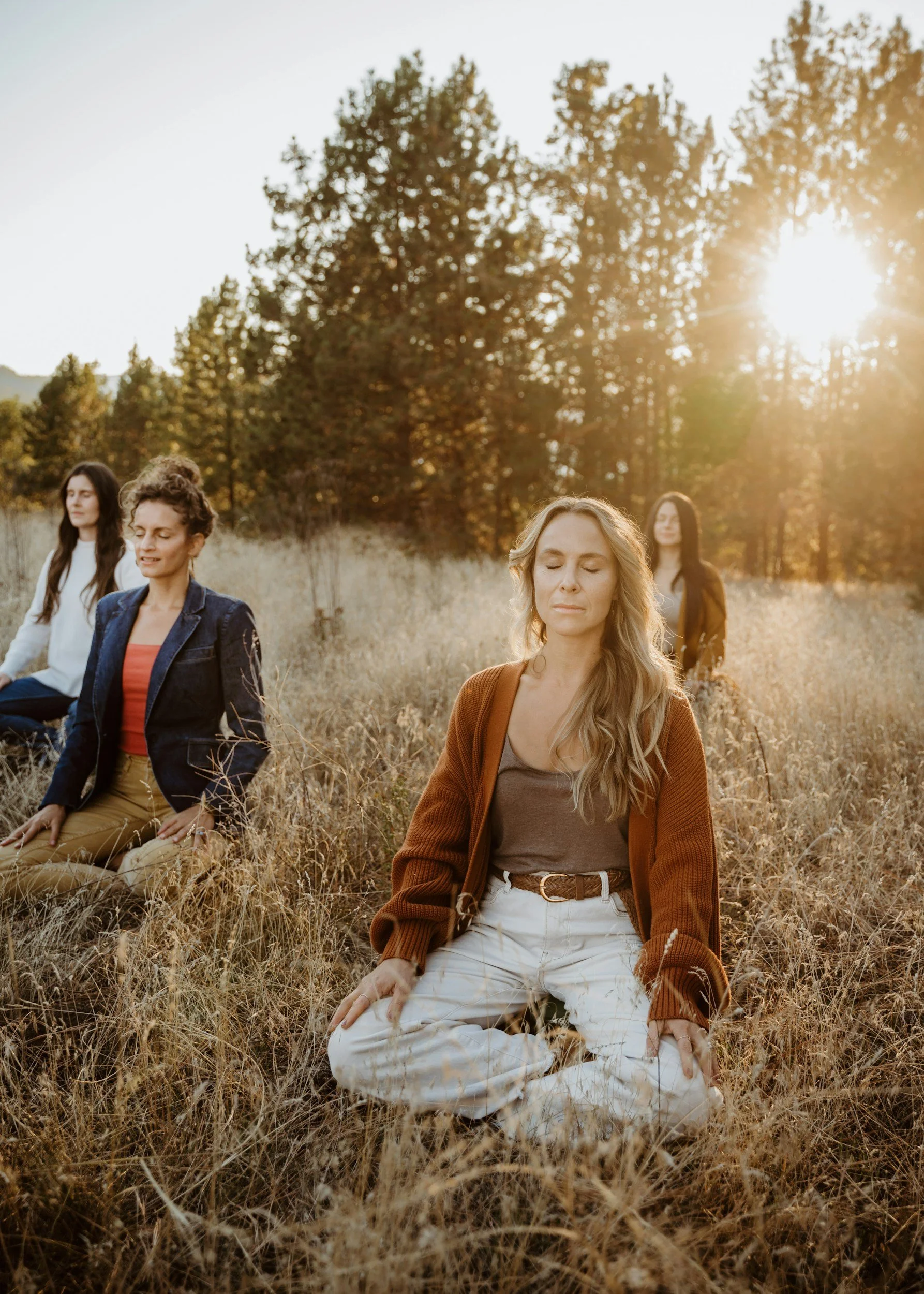
While some people choose a private journey, others are drawn to the depth of experiencing this work in community. Wildglow group ceremonies are intentionally small, with a maximum of 8 participants and multiple trained facilitators to ensure safety and attention for each person.
Each participant moves through their own inner experience, while the shared space offers a powerful sense of connection and presence. Participants may connect before and after the journey, but remain in silence during the ceremony to support inward focus.
A group setting can be especially supportive for individuals who:
feel nourished by community and shared experience
appreciate collective, ceremonial space
want to witness and be witnessed in healing
value connection alongside personal transformation
While each journey is deeply personal, many people discover that healing can be amplified when it unfolds in the presence of a compassionate community.
Upcoming Group Experiences
-
This is group psilocybin journey is a space held with care and intention for those who feel called to explore the inner landscape of consciousness alongside others. Whoever you are, wherever you come from — you are welcome here. Come exactly as you are. The space is a LGBTQIA+ safe space.
DATES
initial individual safety screening call required before being accepted into the group
Wednesday Sept 23rd 6-8pm – virtual group prep video call
Friday October 2nd 6-8pm – in-person group opening circle
Saturday October 3rd 9-4 – mushroom group journey
Sunday October 4th 11-1 – virtual integration group callINVESTMENT $1600-2000
Sliding Scale Guidance Here
You must be over 21 years of age to participate. All genders welcome. -
This group will honor womxn wanting to connect with one another and deepend their connection to self through healing psilcoybin medicine.
Date TBD - Oct 10th 2026
Investment: one prep $222, journey day $777-1111 sliding scale, group integration $111 (additional prep and integration sessions available at $222)
Total: $1111-1444